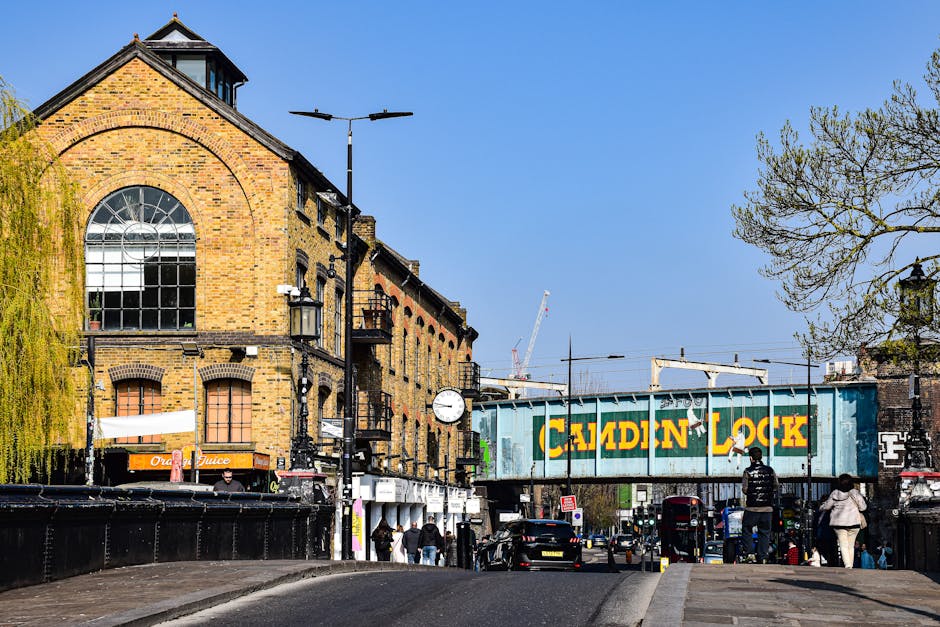
Best Morden removals for narrow terrace near Morden Station
If you are moving from a narrow terrace near Morden Station, you already know the awkward bit is not the boxes. It is the doorway, the stairs, the parked cars, the tight turning space, and the feeling that one wrong-sized van could make the whole day harder than it needs to be. The best Morden removals for narrow terrace near Morden Station are the ones that understand those constraints before they arrive, plan around them properly, and keep the move calm rather than chaotic.
This guide breaks down what actually works in a tight terraced street, how to choose the right removal approach, and what to ask for so you do not end up paying for avoidable stress. If you want a moving day that feels organised rather than frantic, you are in the right place.
Contents
- Why this matters for narrow terraces near Morden Station
- How the move works in practice
- Key benefits and practical advantages
- Who this is for and when it makes sense
- Step-by-step guidance
- Expert tips for better results
- Common mistakes to avoid
- Tools, resources and recommendations
- Law, compliance, standards and best practice
- Options and comparison table
- Case study or real-world example
- Practical checklist
- Conclusion
- Frequently asked questions
Why Best Morden removals for narrow terrace near Morden Station Matters
Narrow terraces around station areas tend to share the same moving-day headaches: limited curb space, narrow pavements, tight front gardens or no front garden at all, and neighbours who still need access while you are loading up. Around Morden Station, there is also the simple reality of busier streets at certain times of day. That does not make a move impossible. It just means the move needs to be designed around the street, not forced into it.
That is why the best Morden removals for narrow terrace near Morden Station are usually not the biggest-looking option. They are the most agile one. A smaller or medium-sized man and van style move, a careful loading plan, and a team that knows how to park, carry, and sequence items can save time and reduce damage. Truth be told, a giant vehicle can sometimes be more of a problem than a help on a street like this.
You also need to think about the interior of the property. Narrow staircases, low ceilings on the landing, and awkward corners are all normal in older terraces. If the team is not used to this kind of access, they may spend more time turning furniture than actually moving it. And nobody wants a sofa trapped halfway down the stairs while everyone stands in silence pretending this was expected.
Good planning matters because it protects more than furniture. It protects your schedule, your neighbours, your walls, and your nerves.
Expert summary: For narrow terrace moves near Morden Station, the right removal service is usually the one that combines a suitably sized vehicle, careful pre-move planning, and flexible loading methods rather than simply offering the cheapest headline price.
How Best Morden removals for narrow terrace near Morden Station Works
In a tight terrace move, the process should feel more like a well-rehearsed route than a random pile of boxes being shifted around. The first useful step is usually an access check. That means looking at the width of the road, where the vehicle can legally stop, how far items must be carried, and whether there is room for a van to load without blocking the whole street.
After that comes the packing and sequencing plan. Heavy items go first, fragile items are protected properly, and anything awkward is identified before the team arrives. If the move is being done with a moving van or a smaller removal vehicle, the packing order matters even more because space has to be used efficiently. A bad load order can waste half the van. A good one, simple as it sounds, can make the whole job feel much smaller.
On the day itself, the crew will typically start with the largest or most difficult items, then work through boxes and loose items in a structured sequence. In narrow properties, the trick is to reduce repeated trips and reduce turning points. If possible, items are brought to the front door or hallway in the right order before loading starts. It sounds obvious, but you would be surprised how often this stage gets skipped.
If your home is on or near a busier stretch close to the station, timing is part of the job too. Early starts are often easier, and avoiding the busiest commuter window can help the vehicle get in and out more cleanly. Sometimes the move is not hard. It is just badly timed.
For some households, a broader home moves approach is the right fit, especially if you are dealing with a full flat or a multi-room terrace house. For others, a smaller, more flexible setup is the better answer. There is no magic formula. The point is to match the service to the property, not the other way round.
Key Benefits and Practical Advantages
The real value of a smart narrow terrace removal is not glamorous, but it is very real. You get fewer delays, less lifting chaos, and a move that fits the building rather than fighting it.
- Better access management: A smaller or more suitable vehicle can be easier to place near the property.
- Lower damage risk: Fewer tight squeezes reduce the chances of scuffed walls, chipped paint, or bent corners.
- Less wasted time: Good planning cuts down on back-and-forth carrying.
- More flexibility: Smaller crews and adaptable loading can make last-minute issues easier to handle.
- Cleaner neighbour relations: When loading is efficient, everybody else on the street has an easier day too.
- Less stress: This one matters more than people admit. Moving is tiring enough already.
Another practical advantage is that the right team can advise on what actually needs a full removal vehicle and what can be transported more efficiently. Sometimes a man with van arrangement is enough for a small terrace move; sometimes you need something a bit larger and more organised. The best operator will tell you that honestly, not just upsell you to the biggest option available.
If you are moving into another terrace nearby, you may also benefit from a service that understands repeat trips, delicate stair handling, and careful placement at the destination. The loading and unloading might look simple from the outside. It rarely is.
Who This Is For and When It Makes Sense
This kind of removal setup is ideal if you live in a narrow terrace, a compact townhouse, or a small family home near Morden Station and need a move that is practical rather than oversized. It is especially useful if your street is tight, your driveway is non-existent, or your furniture includes items that are awkward to turn on stairs.
It also makes sense if:
- you are moving a one- or two-bedroom property
- your street has limited parking or waiting space
- you need a fast local move rather than a long-distance operation
- you have heavy furniture but not a whole-house volume of goods
- you want help with lifting, carrying, and basic load protection
For larger family homes or more complex property contents, a broader house removals service may be more appropriate. If the move is smaller and you mainly need transport plus helping hands, then a more compact option can feel much more efficient. Neither is inherently better. It depends on the size of the job, which is the boring answer but the correct one.
It also suits people who are juggling work, childcare, or an awkward completion time. If you only have a short window to get out, a well-planned local removals team can make that window count.
Step-by-Step Guidance
1. Measure access before you book
Before you request a removal slot, look at the width of the street, the height of any low branches or overhead obstacles, and how far the vehicle will be from the front door. If you have to carry everything a long distance, that changes the job significantly. A team that knows this in advance can plan labour and timing more accurately.
2. List the awkward items first
Not all belongings are equal. Sofas, wardrobes, bed frames, mirrors, bikes, and washing machines need a bit more thinking. Write those down early. It helps the mover decide whether disassembly is sensible and how to protect corners and glass.
3. Choose the right service level
For a narrow terrace, the best fit may be a tailored removal services option rather than a full-scale truck-heavy operation. If you need boxes packed, ask about packing and unpacking services too. That can save a lot of last-minute scrambling, especially if you are still living out of a kettle and three mugs by moving morning.
4. Prepare the property the day before
Keep hallways clear, secure pets, label boxes, and separate anything you will need immediately after the move. It is also worth setting aside keys, documents, chargers, and medication in one safe bag. Little things, huge difference.
5. Protect entry points and furniture
Use covers, blankets, and straps where needed. In a narrow terrace, the corridor often becomes the bottleneck. Protecting that route matters just as much as protecting the furniture itself.
6. Confirm arrival timing and loading order
Ask how the team wants the property prepared. Some prefer everything grouped by room. Others want the heaviest items nearest the door first. Either way, clarity here avoids awkward delays on the day.
7. Check the final walkthrough
Before the vehicle leaves, do a final sweep of loft spaces, under stairs, sheds, and cupboards. It sounds obvious. It still gets missed. Every single day, somewhere, someone leaves the toaster behind.
Expert Tips for Better Results
Here is the honest version: narrow terrace moves are won in the details. The smoother the small choices, the smoother the day.
- Book a realistic time slot. Early daytime starts are often easier than late starts near commuter traffic.
- Use identical box sizes where possible. They stack better and waste less space.
- Keep a "do not load" corner. This is for documents, keys, and items going with you personally.
- Ask about dismantling in advance. A wardrobe that fits perfectly in theory may become a stairwell problem in reality.
- Be honest about access. If the van cannot park directly outside, say so. No one enjoys surprises at 8 a.m.
- Choose a team with local experience. A crew familiar with Morden streets will often make faster, calmer decisions.
If you are comparing operators, look beyond the headline price. A well-run removal company will usually be clear about access, vehicle size, and what is or is not included. That clarity matters more than a glossy promise. A lot more.
It is also worth asking whether the team uses sensible vehicle sizes rather than defaulting to the largest van they own. On a narrow terrace, smaller can be smarter. There, said plainly.
Common Mistakes to Avoid
The most common mistake is assuming any removal service will do the job equally well. On a wide suburban road, that may be close enough. On a narrow terrace near a station, it really is not.
- Underestimating access constraints: This leads to parking problems, blocked routes, and longer carrying times.
- Choosing the wrong vehicle size: Too big can be as inconvenient as too small.
- Poor labelling: If every box looks the same, unpacking becomes a guessing game.
- Leaving disassembly too late: Furniture that needs tools should not be tackled at the front door unless you enjoy pressure.
- Forgetting stair protection: Narrow stairs and sharp corners are a bad mix.
- Not asking about insurance: Always check that the provider has suitable cover for goods in transit and handling.
Another mistake is booking purely on price and hoping the rest will sort itself out. To be fair, we all like a bargain. But with removals, the cheapest option can become expensive if the move runs over time or the crew is not set up for the property type.
And yes, leaving every box unlabelled is still one of the classic errors. It sounds minor. It never feels minor by the end of the day.
Tools, Resources and Recommendations
You do not need fancy kit for a successful terrace move, but a few practical items make life easier.
- Sturdy packing boxes: Choose consistent sizes where possible.
- Wardrobe boxes or garment bags: Useful for clothes you do not want crushed.
- Bubble wrap and paper: Good for mirrors, glassware, and loose breakables.
- Furniture blankets: Helpful for protecting corners and painted surfaces.
- Label stickers or tape: Faster room labelling means smoother unloading.
- Basic tools: A screwdriver or Allen key can save the day when beds or shelves need dismantling.
If you are moving a small property and want a flexible local solution, a man and van removals service can be a practical middle ground. If the move is larger or includes more bulky furniture, consider whether a removals van setup gives you enough capacity without becoming awkward in tight access.
For cost planning, it helps to look at the provider's pricing and quotes information early. That way you can compare like with like and avoid misunderstanding what is included. Nobody likes that little "oh, that's extra" moment halfway through.
If the move involves a lot of items you no longer want, consider whether separate collection or reuse options might help. A service like furniture pick up can be useful when you are clearing out before the main move and do not want to carry unnecessary weight into your new place.
Law, Compliance, Standards and Best Practice
For a domestic move in the UK, the most important compliance concerns are usually safety, vehicle suitability, insurance, and fair handling of property. You do not need to become a transport lawyer, thankfully, but you do want to know that the company treats those basics seriously.
Good practice usually includes:
- appropriate insurance for handling and transporting goods
- safe lifting practices and sensible load distribution
- clear communication about access and parking
- careful treatment of property, walls, floors, and staircases
- transparent terms around what is covered and what is not
It is also sensible to choose a provider that can speak clearly about health and safety procedures. If you want to review how a business approaches that side of the work, a published health and safety policy can be a useful sign that the company takes the job properly. Likewise, knowing there is suitable insurance and safety information available can give peace of mind before moving day.
For local residential work, there is usually no need to overcomplicate things. The best standard is simple: the job should be planned, protected, and carried out without unnecessary risk to people or property. That is the baseline. Anything less feels a bit flimsy, to be honest.
Options, Methods, or Comparison Table
Here is a simple comparison to help you judge which approach suits a narrow terrace near Morden Station.
| Option | Best for | Strengths | Watch-outs |
|---|---|---|---|
| Man and van | Small moves, a few bulky items, local transport | Flexible, quick, often ideal for tight access | May not suit a full household move |
| Small removals van | One-bedroom or compact terrace moves | Easier to park, practical for narrow streets | Space must be planned carefully |
| Full house removals team | Large family homes, many rooms, heavier load | More labour, more structured process | Can be overkill for small terraces |
| Hybrid move with packing support | Busy households needing extra help | Less stress, better organisation | Usually costs more than transport-only help |
In many narrow terrace situations, the sweet spot is a smaller vehicle with an experienced team. That gives you the flexibility of a compact setup without losing the professionalism you need for furniture handling and careful loading.
Case Study or Real-World Example
Picture a typical terrace move near Morden Station on a weekday morning. The road is busy enough that parking is never quite free, the hallway is narrow, and the sofa has to turn through a stair bend that looks generous until you actually try it. The client has packed most of the kitchen, but the bed frame is still in bits and the wardrobe is not yet dismantled. A slightly chaotic start, in other words.
The difference-maker is preparation. The mover checks where the van can stop, asks which items are coming first, and confirms what needs dismantling before lifting begins. The team loads the heaviest items first, protects the stair corners, and keeps the route clear. Because the vehicle is the right size, they do not waste time shuffling awkwardly around the street. There is less standing around, less carrying back and forth, and fewer moments where everyone stares at a doorway wondering whether physics is about to become a problem.
By the end, the move feels uneventful in the best possible way. That is the point. The best removals near a narrow terrace do not feel dramatic. They feel controlled.
Practical Checklist
Use this quick checklist before moving day:
- Confirm the exact moving date and access time
- Measure any narrow stair turns, doorways, or hall bends
- Identify parking or loading restrictions near the property
- Sort items into keep, donate, recycle, and move
- Label boxes by room and priority
- Protect fragile items separately
- Dismantle furniture if needed, or confirm the mover will do it
- Pack essentials in one clearly marked bag
- Check insurance and terms before the day arrives
- Keep keys, documents, and valuables with you
- Do a final sweep of loft, cupboards, under stairs, and shed areas
- Make sure the new property is ready for unloading
If you are still comparing providers, reviewing a business's about us page can also help you understand how they work and what kind of local experience they bring. That is not just marketing fluff; it often tells you whether they understand the practical side of small London moves.
Conclusion
The best Morden removals for narrow terrace near Morden Station are not about brute force. They are about fit, timing, access, and care. A suitable van, a thoughtful loading plan, and a team that understands tight terraces can turn a stressful moving day into something much more manageable.
Think smaller where the street is smaller. Plan the awkward items early. Ask clear questions. And choose the kind of mover who treats the job like a real-world puzzle, not just a pickup run. That mindset makes all the difference, honestly.
Get a free quote today and see how much you can save.
With the right preparation, even a narrow terrace move near the station can feel surprisingly smooth, and that is a good feeling to carry into a new home.
Frequently Asked Questions
What is the best type of removal service for a narrow terrace near Morden Station?
Usually, the best option is a flexible local move with a suitably sized van and enough help for carrying and loading. For small to medium moves, a man and van style service often fits narrow access better than a large truck.
How do movers handle tight staircases and narrow hallways?
They normally plan the order of items carefully, protect corners and walls, and sometimes dismantle larger furniture before moving it. Good movers will look at the route first so they do not force awkward items through badly.
Should I choose a smaller van for a terrace house move?
Often, yes. A smaller or medium-sized van can be easier to park and quicker to load on tight roads near the station. The right size depends on how much you are moving, but bigger is not always better.
How far in advance should I book removals for a narrow terrace?
Booking as early as you can is sensible, especially if your move needs a specific time window or weekend slot. Narrow access jobs take more planning, so leaving it to the last minute is rarely a great idea.
Can removals teams help with packing?
Yes, many can. If you need extra support, look into packing and unpacking services so the fragile, heavy, or awkward items are handled more efficiently.
What should I tell the removal company before the move?
Be clear about parking, stairs, access width, vehicle restrictions, bulky furniture, and whether anything needs dismantling. The more accurate the information, the better the plan.
Are narrow terrace removals more expensive?
They can be if access is difficult or carrying distances are long, because they take more time and effort. That said, the actual cost depends on volume, labour, timing, and the service level you choose.
Do I need insurance for a domestic move?
You should make sure the removal provider has suitable insurance and clear safety arrangements. It is worth asking exactly what is covered, especially for furniture, glass, and items handled on stairs.
What if the van cannot park right outside my house?
That is common on narrow streets, especially near busier areas. A good mover will plan for a short carry distance and build that into the job rather than pretending it is not an issue.
How can I reduce stress on moving day?
Label everything, separate essentials, clear the hallway, and confirm timing in advance. A calm move is usually the result of boring little habits done properly. Boring, yes. Effective, absolutely.
Is a man and van service enough for a full house move?
Sometimes it is, but not always. For a large household or a move with lots of bulky furniture, you may be better off with a broader house removals service. It depends on volume and access rather than the name alone.
What should I do with furniture I do not want to move?
Decide that before moving day if possible. You might arrange disposal, reuse, or a separate furniture pick-up for items that are still usable but not going with you.